
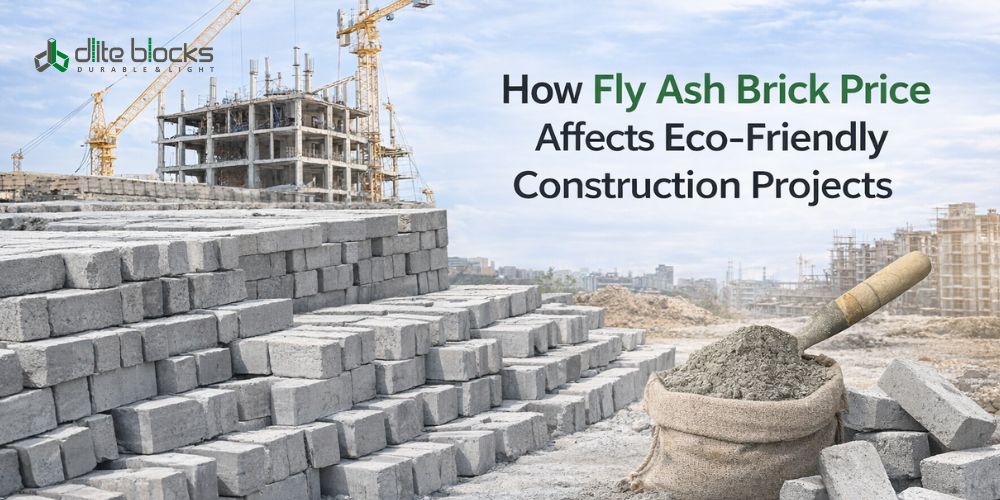
How Fly Ash Brick Price Affects Eco-Friendly Construction Projects
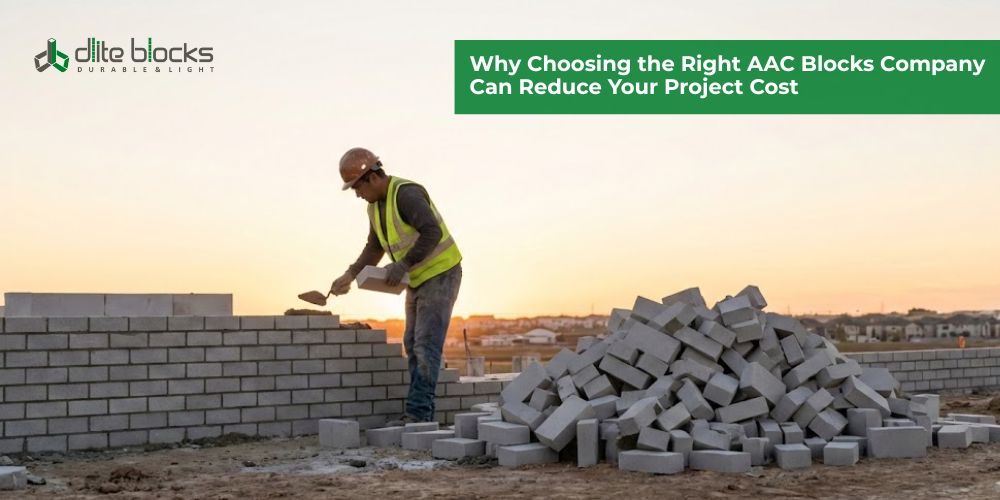
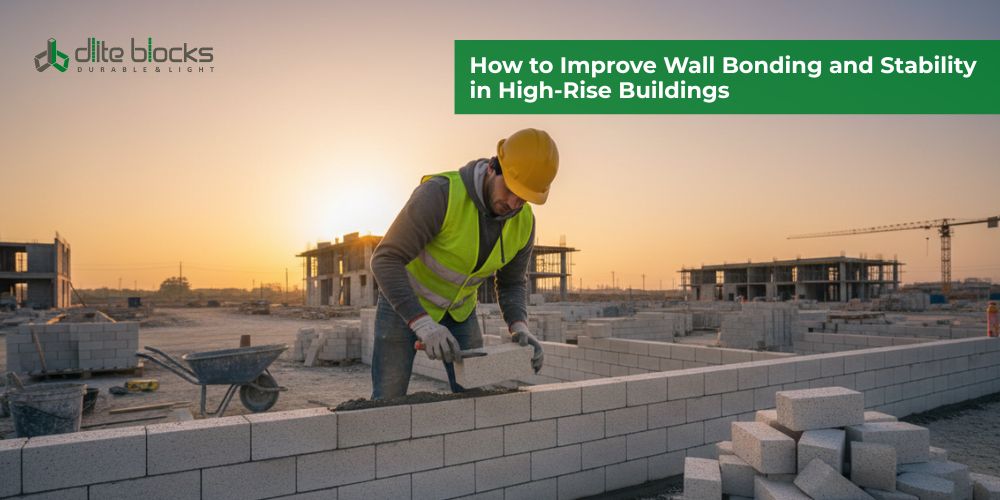
Eco-friendly construction is becoming very popular today. Builders, architects, and homeowners are looking for materials that are strong, affordable, and good for the environment. One such material is the fly ash brick, which is often compared with AAC blocks for modern green buildings. These bricks are made using waste from thermal power plants and are known for their durability and eco benefits. But one important question always comes up: how does the fly ash brick price affect eco-friendly construction projects? What Are Fly Ash Bricks? Fly ash bricks are building blocks made from fly ash, which is a fine powder left after burning coal. Just like autoclaved aerated concrete blocks, they are produced using industrial by-products instead of natural soil. Instead of throwing this waste into landfills, it is reused to make bricks. This helps reduce pollution and saves natural resources like clay and soil. Why Price Matters in Eco-Friendly Construction In any construction project, cost plays a big role. Eco-friendly construction aims to protect nature, but it also needs to stay within budget. If the cost of materials is too high, builders may avoid using sustainable options, such as fly ash brick-based alternatives. The fly ash brick price directly affects the total project cost. When prices are reasonable, builders are more likely to choose fly ash bricks over traditional clay bricks. This helps promote green building practices on a larger scale. Fly Ash Brick Price vs Traditional Brick Price In many regions, fly ash bricks are priced similarly to or slightly lower than clay bricks. Compared to AAC blocks, they are often easier to source locally. This is because fly ash is a waste material and easily available. Also, the manufacturing process consumes less energy compared to firing clay bricks in kilns. Even if the fly ash brick price is sometimes a bit higher, it often balances out in the long run. These bricks reduce plastering costs due to their smooth surface and lower mortar usage because of their uniform size. Long-Term Cost Benefits Eco-friendly construction is not just about initial cost. It is also about long-term savings. Fly ash bricks, like autoclaved aerated concrete blocks, are strong and absorb less water. This means fewer cracks, less repair work, and longer building life. Because of better insulation, buildings made with the fly ash bricks can stay cooler in summer and warmer in winter. This can reduce electricity bills over time. So, even if the fly ash brick price feels slightly higher at the start, it can save money in the future. Impact on Sustainable Projects Affordable fly ash brick price encourages more eco-friendly projects. When builders see that green materials fit their budget alongside options like AAC blocks, they are more confident in choosing them. This leads to reduced use of natural clay, lower carbon emissions, and less damage to agricultural land. Large housing projects, commercial buildings, and government construction programmes often prefer fly ash bricks for this reason. Brands like Dlite Blocks offer quality fly ash bricks that meet construction standards while supporting sustainable building goals. Availability and Transportation Costs Another factor that affects fly ash brick price is location. If fly ash bricks are manufactured close to the construction site, transportation costs are low, similar to sourcing autoclaved aerated concrete blocks locally. This keeps the price affordable and makes eco-friendly construction more practical. Local manufacturers and trusted brands such as Dlite Blocks help maintain stable pricing and consistent quality, which is important for large-scale green projects. Government Support and Awareness In many places, governments promote the use of fly ash bricks by offering guidelines and support for eco-friendly materials along with AAC blocks. This increases demand and helps stabilise prices. As awareness grows, production increases, and costs can become even more competitive. When the fly ash brick price remains fair, it supports the overall growth of green construction and helps protect the environment. Final Thoughts The fly ash brick price plays a key role in eco-friendly construction projects. Affordable pricing makes sustainable building materials more accessible and attractive to builders and homeowners, just like autoclaved aerated concrete blocks. With benefits like durability, cost savings, and environmental protection, fly ash bricks are a smart choice for modern construction. Choosing reliable suppliers like Dlite Blocks ensures quality, value for money, and a step toward a greener future. By understanding pricing and long-term benefits, eco-friendly construction can become both practical and profitable. FAQ
How Fly Ash Brick Price Affects Eco-Friendly Construction Projects Read More »