
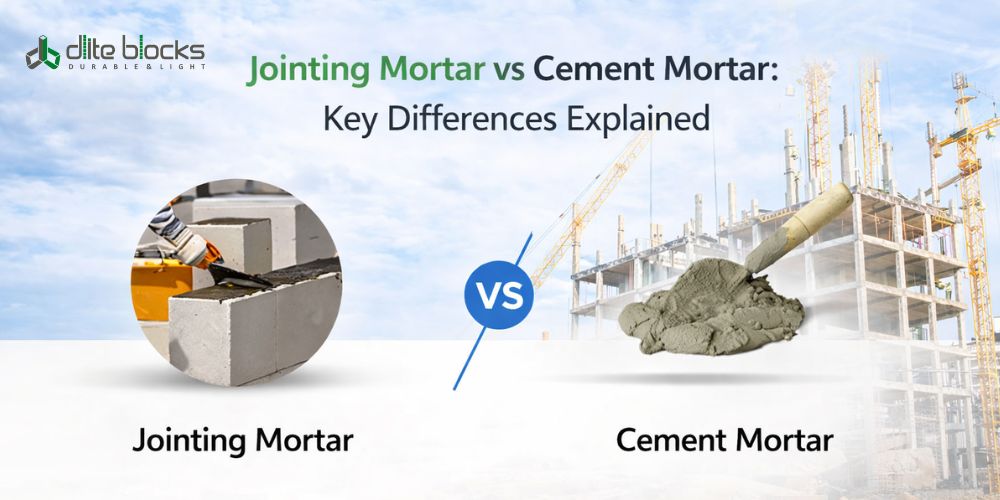
Building a home or any structure requires the right materials to ensure strength and durability. Two of the most common materials used in masonry are jointing mortar and cement mortar. While they may seem similar, understanding their differences is important to use them correctly. Using the wrong type can affect the stability and lifespan of your structure. Trusted brands like Dlite provide high-quality mortar to ensure your construction is safe and long-lasting. When choosing materials, always check with jointing mortar suppliers for the best quality options.
What is Jointing Mortar?
Jointing mortar is a type of mortar specifically made for filling gaps or joints between bricks, stones, or blocks. Its main role is not to provide structural strength but to bind building elements together neatly. This mortar is usually softer than cement mortar, allowing it to fill uneven gaps and create a smooth finish. Many builders prefer aac block jointing mortar for lightweight blocks as it provides excellent adhesion and finish.
Benefits of Jointing Mortar
- Strong bonding: Ensures bricks or stones stay firmly in place with block jointing mortar manufacturers providing high-quality mixes.
- Flexibility: Can fill irregular spaces between building elements.
- Weather protection: Helps prevent water seepage and protects against rain.
- Workability: Easy to mix, spread, and apply, making construction faster and simpler.
Jointing mortar is ideal for finishing walls and pointing gaps to give a polished look. Many builders prefer high-quality brands like Dlite Blocks because their mortars ensure durability and better adhesion, and top jointing mortar suppliers can guide you on the right type for your project.
What is Cement Mortar?
Cement mortar is a mix of cement, sand, and water, sometimes with additives to improve strength. Unlike jointing mortar, it is mainly used as a structural material for laying bricks or blocks. Cement mortar hardens over time, giving walls and structures strength and stability. When constructing walls with AAC blocks, using a compatible aac block jointing mortar alongside cement mortar ensures maximum durability.
Benefits of Cement Mortar
- Structural strength: Provides support to walls and other constructions.
- Durability: Resistant to wear, weather, and minor cracks.
- Versatility: Can be used for plastering or as a base for other finishes.
- Water resistance: Protects walls from moisture and seepage.
Cement mortar is widely used in constructing walls, pillars, and even for plastering surfaces. Choosing a good quality cement mortar, such as the ones offered by Dlite, ensures your walls remain strong and long-lasting. Top block jointing mortar manufacturers also provide guidance on using cement mortar correctly with AAC or clay blocks.
Key Differences Between Jointing Mortar and Cement Mortar
| Feature | Jointing Mortar | Cement Mortar |
| Purpose | Fills gaps and joints, mainly for finishing with aac block jointing mortar | Provides strength, used for building walls and structures |
| Composition | Cement, sand, and water (sometimes lime for smoothness) from trusted jointing mortar suppliers | Cement, sand, and water (can include additives for strength) |
| Strength | Softer, less load-bearing | Stronger, can support structural loads |
| Flexibility | Flexible, fills uneven joints easily | Hardens into solid structure, less flexible |
| Use | Pointing, sealing, finishing walls | Brick/block laying, plaster base, wall construction |
| Workability | Easy to spread and smooth | Slightly stiffer, requires careful mixing |
| Weather Resistance | Offers moderate protection | High resistance to weather and water |
When to Use Each Type
Using the right mortar at the right place is essential for building safely:
- Jointing mortar: Best for finishing walls, sealing gaps, and pointing bricks or stones. High-quality aac block jointing mortar gives a smooth and durable finish.
- Cement mortar: Ideal for building strong walls, plastering, or creating a solid base for tiles and finishes. It is essential wherever structural strength is needed.
By understanding these uses, builders can avoid mistakes that may compromise the stability of walls and buildings. Always consult jointing mortar suppliers or block jointing mortar manufacturers for the best combination of mortars for your construction needs.
Conclusion
Both jointing mortar and cement mortar play crucial roles in construction. While jointing mortar focuses on bonding and finishing, cement mortar ensures strength and durability. Brands like Dlite Blocks provide high-quality options for both types, helping builders achieve better results with longer-lasting structures.
Choosing the right mortar not only improves the safety and strength of your building but also enhances its appearance. Always match the mortar type with the purpose of the construction and consult jointing mortar suppliers or block jointing mortar manufacturers to get the best results.