
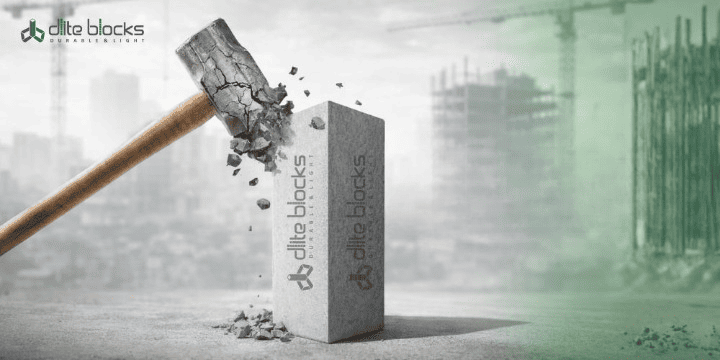
When you are building a home or any structure, the strength of materials is very important. AAC blocks are widely used today because they are lightweight, strong, and energy-efficient. But before using them, it is important to test their AAC Block Compressive Strength. This test tells us how much load the block can handle without breaking.
A trusted AAC blocks company like Dlite always ensures that its blocks meet quality standards. In this blog, we will explain the testing process in very easy and simple words so anyone can understand.
Why is AAC Block Compressive Strength Important?
Compressive strength means how much pressure a block can bear before it cracks or fails. This is one of the most important properties of AAC blocks.
If the blocks are strong:
- Buildings stay safe and stable
- Walls do not crack easily
- The structure lasts longer
If the strength is low, it can lead to serious construction problems. That is why every good AAC block factory follows proper testing methods before supplying blocks.
Brands like Dlite focus on quality testing to make sure their blocks are reliable and long-lasting.
Step-by-Step Guide to Testing Compressive Strength
Here is a simple step-by-step method to test the compressive strength of AAC blocks:
1. Sample Selection
First, select the blocks that need to be tested.
- Choose 3 blocks from the same batch
- Make sure they represent the overall quality
This helps in getting accurate and consistent results. A good AAC blocks company always checks samples from every batch.
2. Conditioning of Blocks
Before testing, the blocks need to be prepared.
- Soak the blocks in water for 24 hours
- After soaking, let them dry slightly to reach a surface dry condition
This step ensures that all blocks have the same moisture level, which gives fair test results.
3. Measurement of Dimensions
Now measure the size of the blocks.
- Measure length, width, and height
- Use a scale or caliper for accuracy
These measurements are needed to calculate the area of the block. The area is used later in the strength calculation.
4. Placing the Block in the Testing Machine
Next, place the block in a compression testing machine.
- Keep the block in the center
- Make sure the surface is even
If the surface is not smooth, use a thin cement layer or a steel plate to make it level. This helps in applying the load evenly.
5. Applying the Load
Now start the machine.
- Apply load slowly and steadily
- Continue until the block cracks or breaks
The machine will show the maximum load the block can handle. This is the most important value in the test.
6. Calculate Compressive Strength
Now, calculate the strength using this simple formula:
Compressive Strength = Maximum Load ÷ Area of Block
- Load is measured in Newton (N)
- Area is measured in square millimeters (mm²)
The result will give the compressive strength of the block.
7. Check the Results
Compare the result with standard values.
- In India, AAC blocks are tested as per IS standards
- The strength should meet the required limit
A reliable AAC block factory ensures that all blocks meet or exceed these standards.
8. Record the Data
Finally, write down all the details:
- Block size
- Maximum load
- Calculated strength
- Any cracks or observations
This record is useful for quality checks and future reference.
Conclusion
Testing the compressive strength of aac blocks is very important for safe construction. It helps you make sure that the blocks you are using are strong and durable.
By following the simple steps above, you can easily test and understand the quality of AAC blocks. Always choose a trusted AAC blocks company like Dlite, which follows strict testing methods and quality standards.
Whether you are a builder, engineer, or homeowner, checking compressive strength gives you confidence in your construction. Strong blocks mean a strong and long-lasting building.Understanding and testing AAC Block Compressive Strength is essential to ensure your building remains safe, durable, and long-lasting. Always choose quality-tested AAC blocks from a trusted manufacturer like Dlite for the best results.
FAQ
1. What is the compressive strength of AAC blocks?
Compressive strength of AAC blocks is the ability of the block to withstand pressure without breaking. It is measured in N/mm². Good quality blocks from a trusted AAC blocks company like Dlite usually meet standard strength requirements, making them suitable for safe and durable construction.
2. Why is testing AAC block strength important?
Testing ensures that AAC blocks can handle the load of a building. It helps avoid cracks, damage, or failure in walls. A reliable AAC block factory always tests strength before supplying materials to ensure safety, durability, and long life of the structure.
3. How many AAC blocks should be tested at once?
Usually, three AAC blocks are tested from one batch to get accurate results. This sample size helps understand the overall quality. A professional AAC blocks company like Dlite follows this standard method to maintain consistency and ensure reliable performance in construction projects.
4. What is the standard compressive strength for AAC blocks in India?
In India, AAC blocks generally have compressive strength ranging from 3 to 5 N/mm², as per IS standards. A good AAC block factory ensures that blocks meet or exceed these values, making them suitable for both residential and commercial construction purposes.
5. Can AAC blocks fail the strength test?
Yes, AAC blocks can fail if they are poorly manufactured or not properly cured. This is why choosing a trusted AAC blocks company like Dlite is important. Proper testing helps identify weak blocks and ensures only high-quality materials are used in construction.